once upon a time, there was a forest That became one of the most important ecology experiments in the world
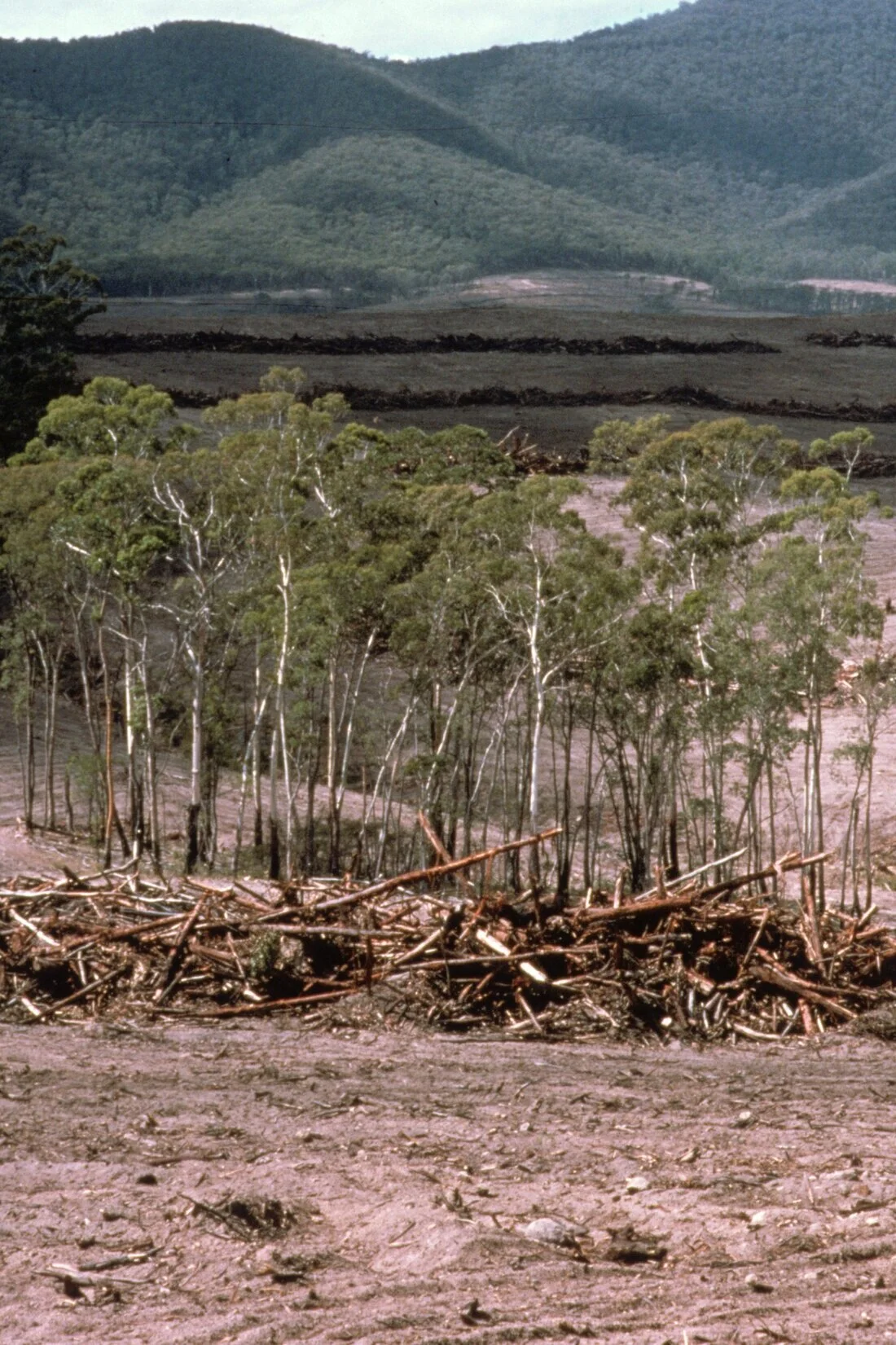
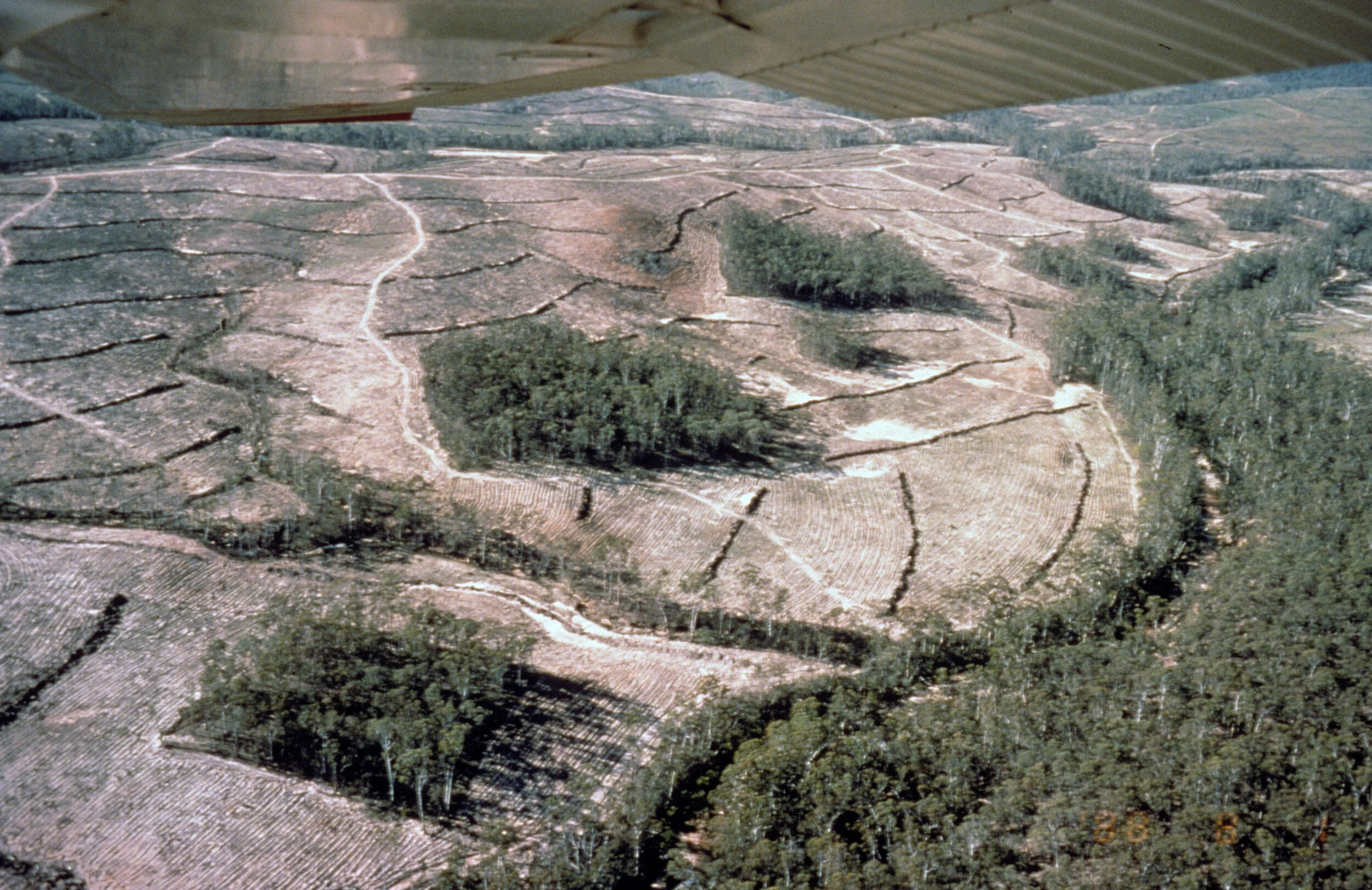
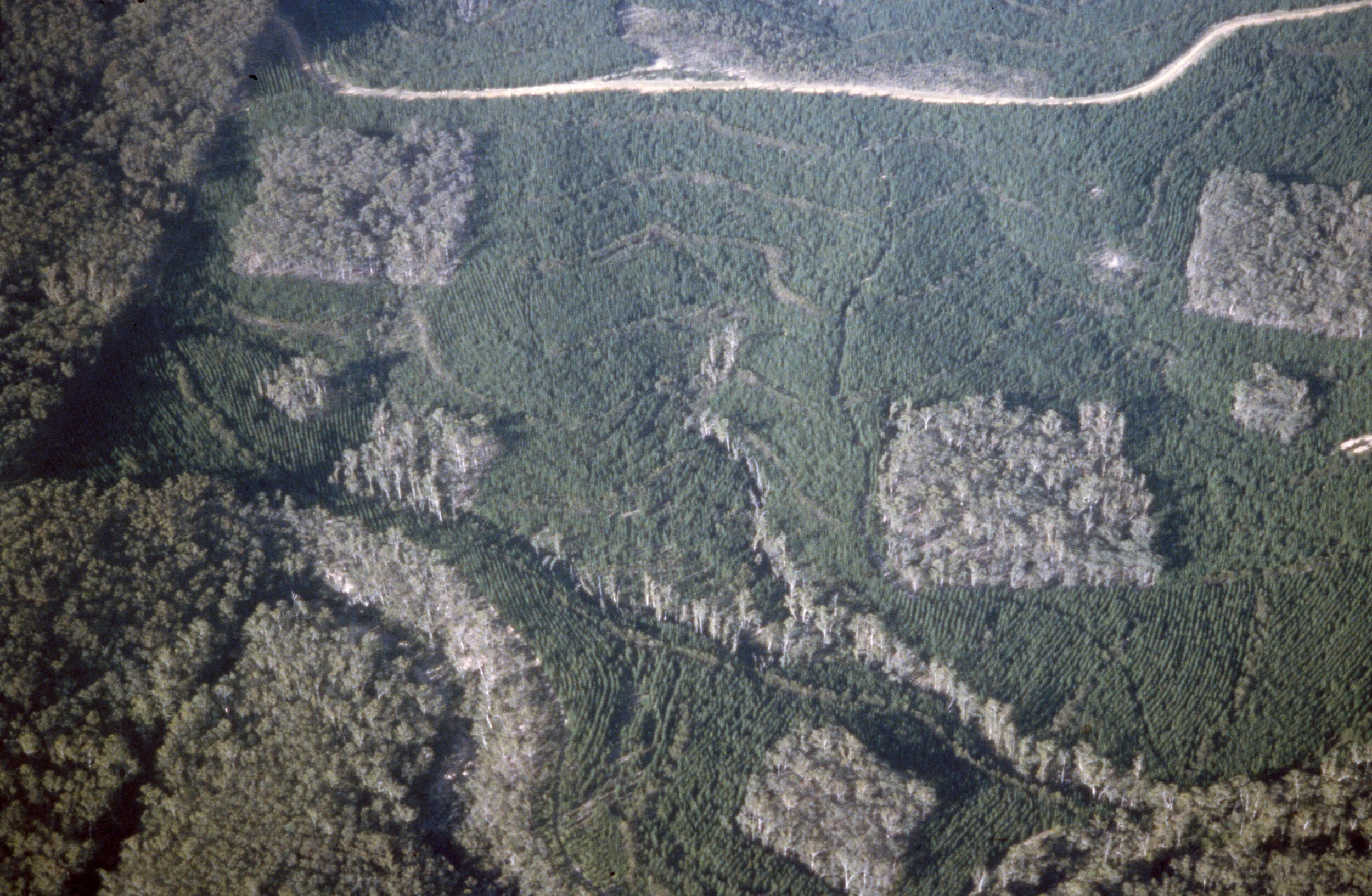
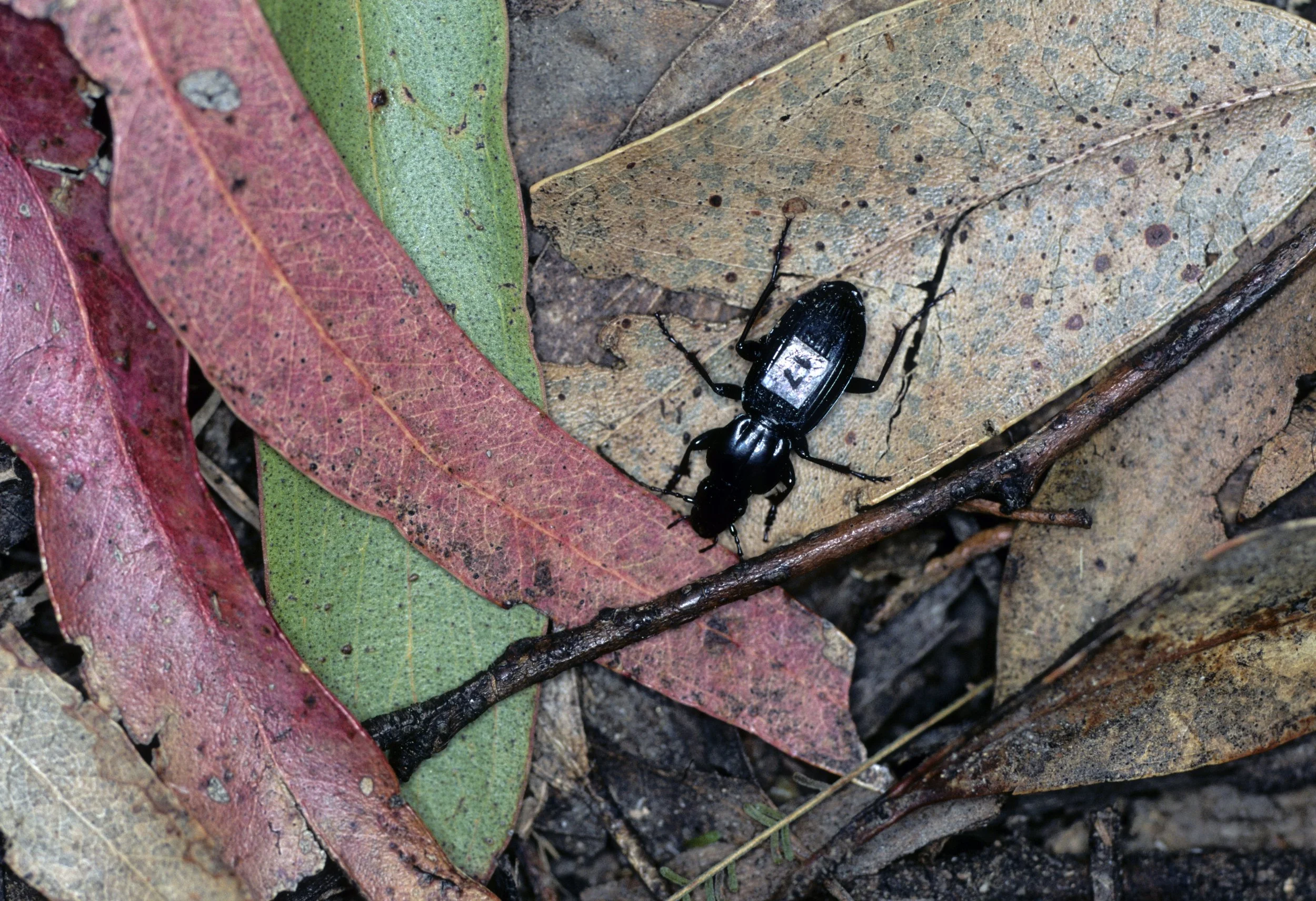
In the 1980s, scientists designed forest “islands” to be left in a “sea” of a different type of ecosystem, unsuitable for many of the original species. The forest surrounding these islands, or fragments, was cut down, marking the beginning of the Wog Wog Forest Fragments Experiment.
Today, the Wog Wog Forest Fragments experiment is one of the largest and longest-running ecology studies globally.
We study how plants and animals persist on the forest islands and throughout the larger landscape, as connections among different parts of the landscape are critical.
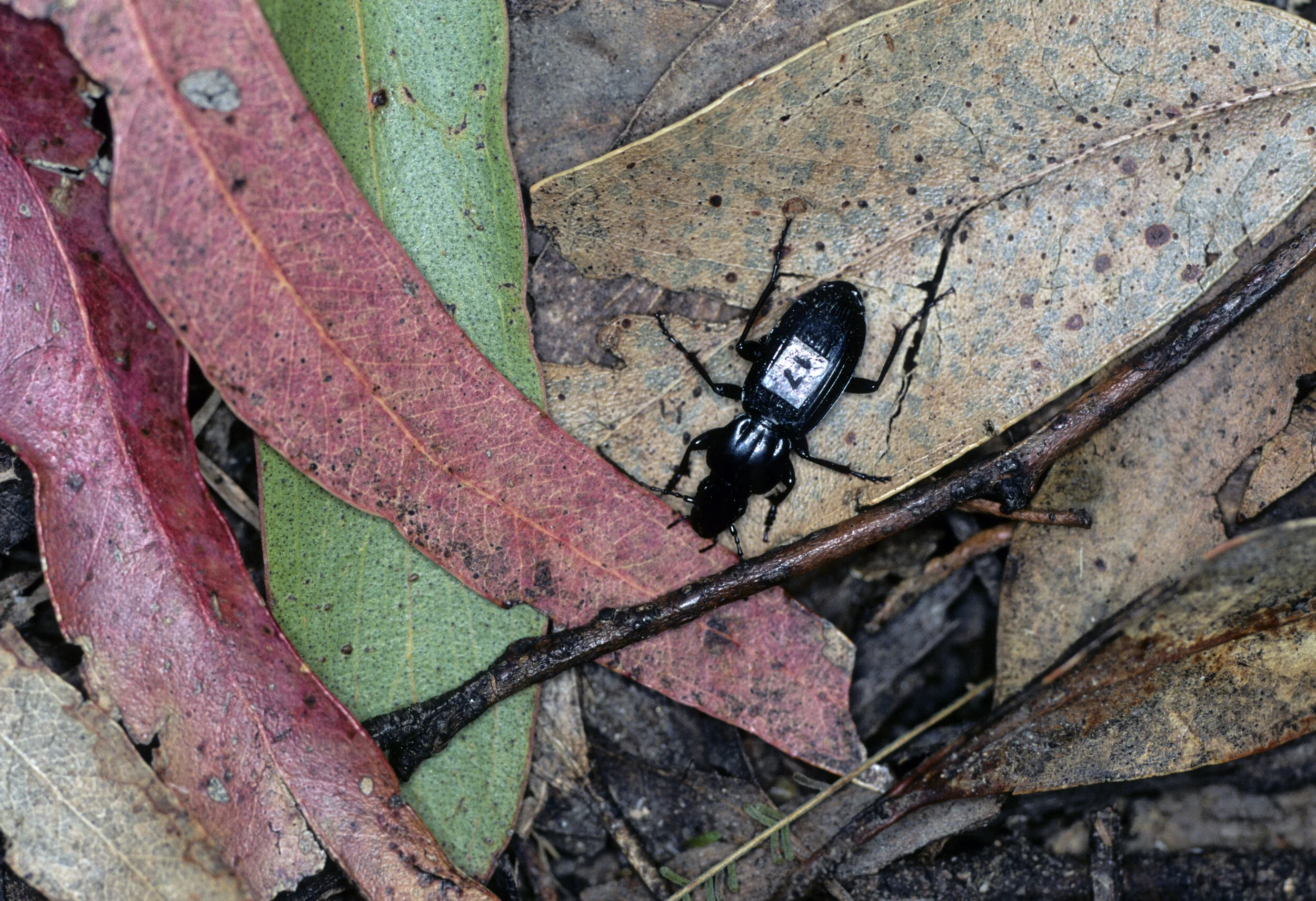
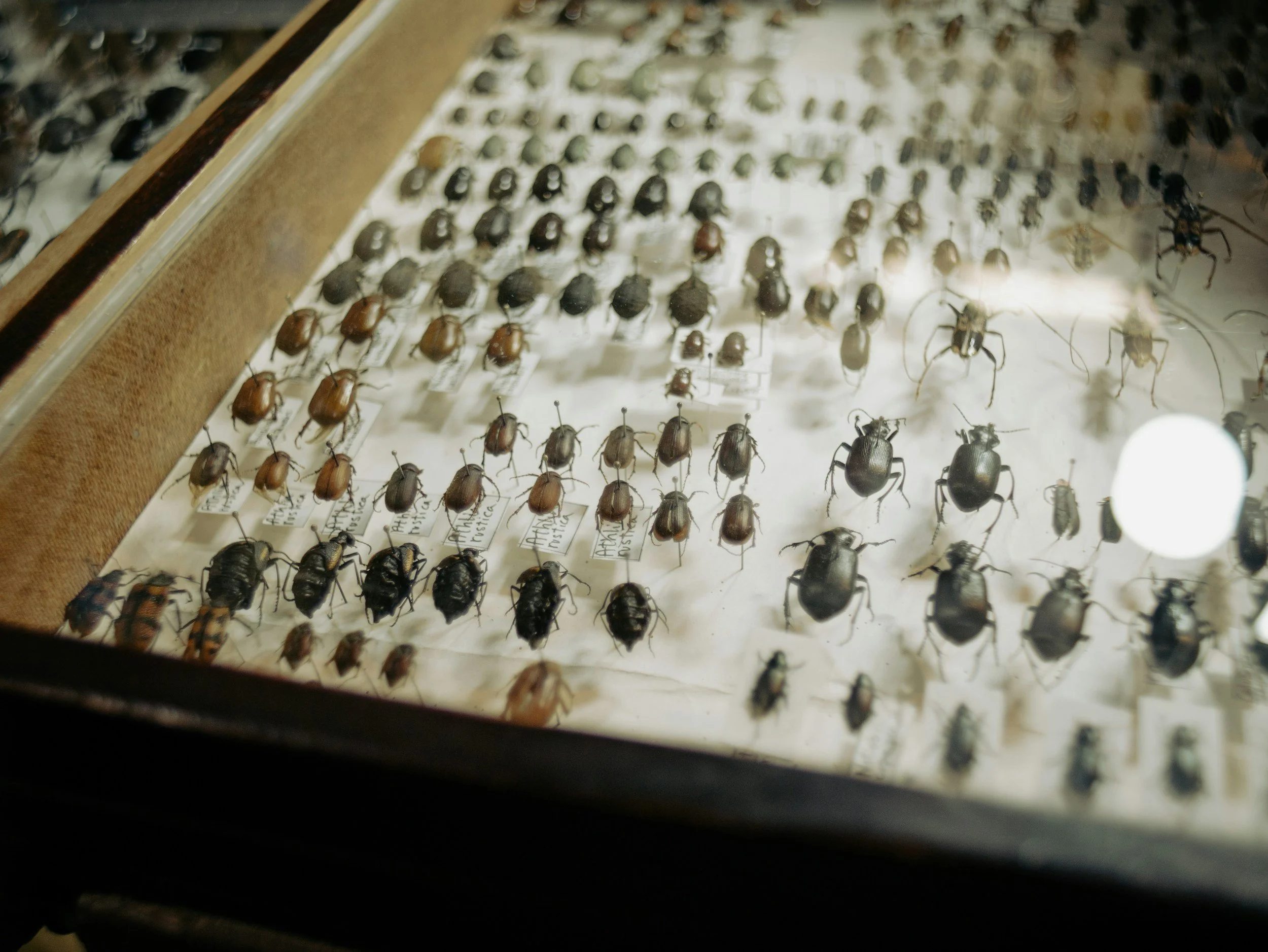
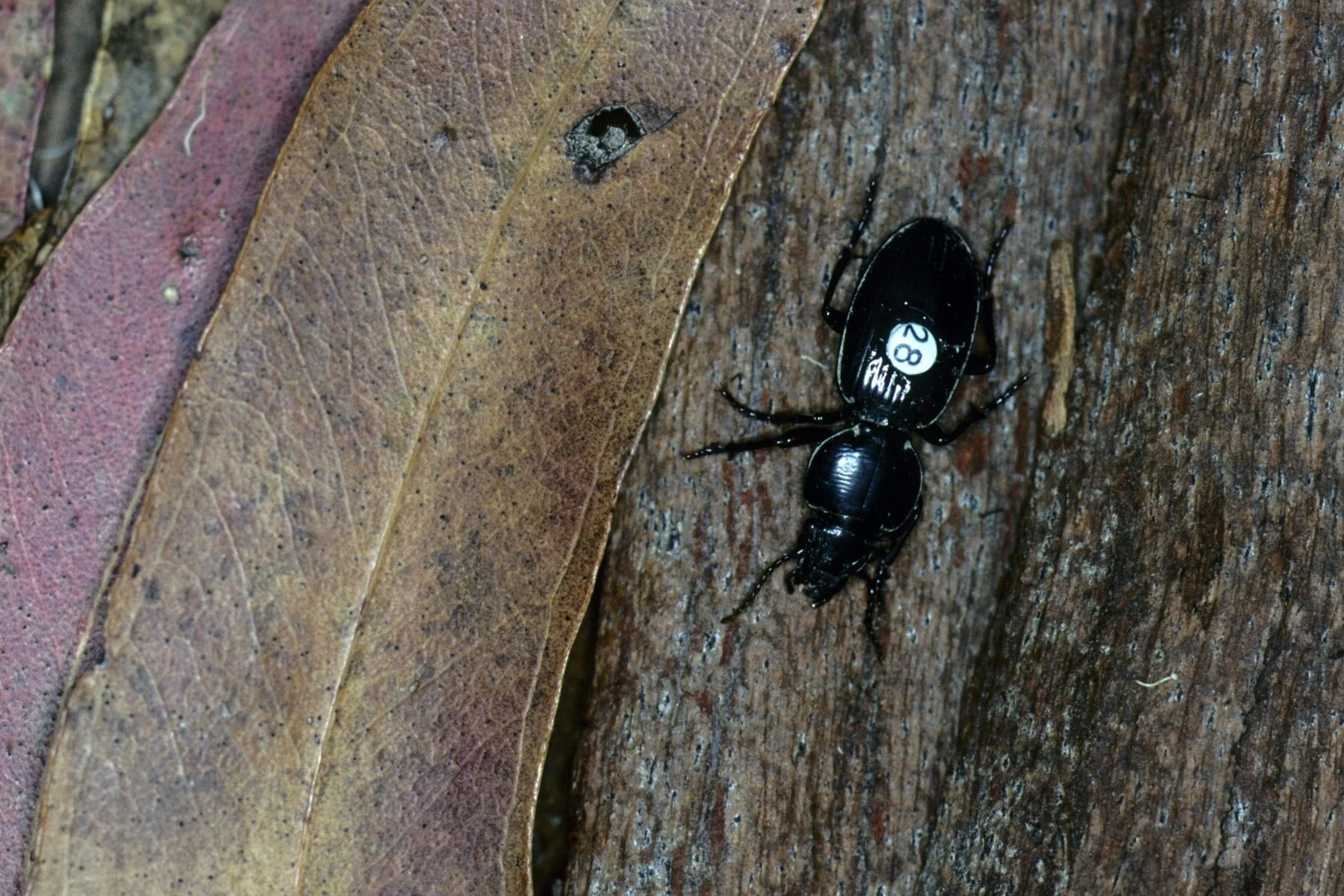
We maintain a network of pitfall traps to see how invertebrates, particularly beetles, persist on the forest islands. We have recorded an incredible number of beetle species at Wog Wog, over 1000 species. We also study the dozens of plant species in the tree community and understory.
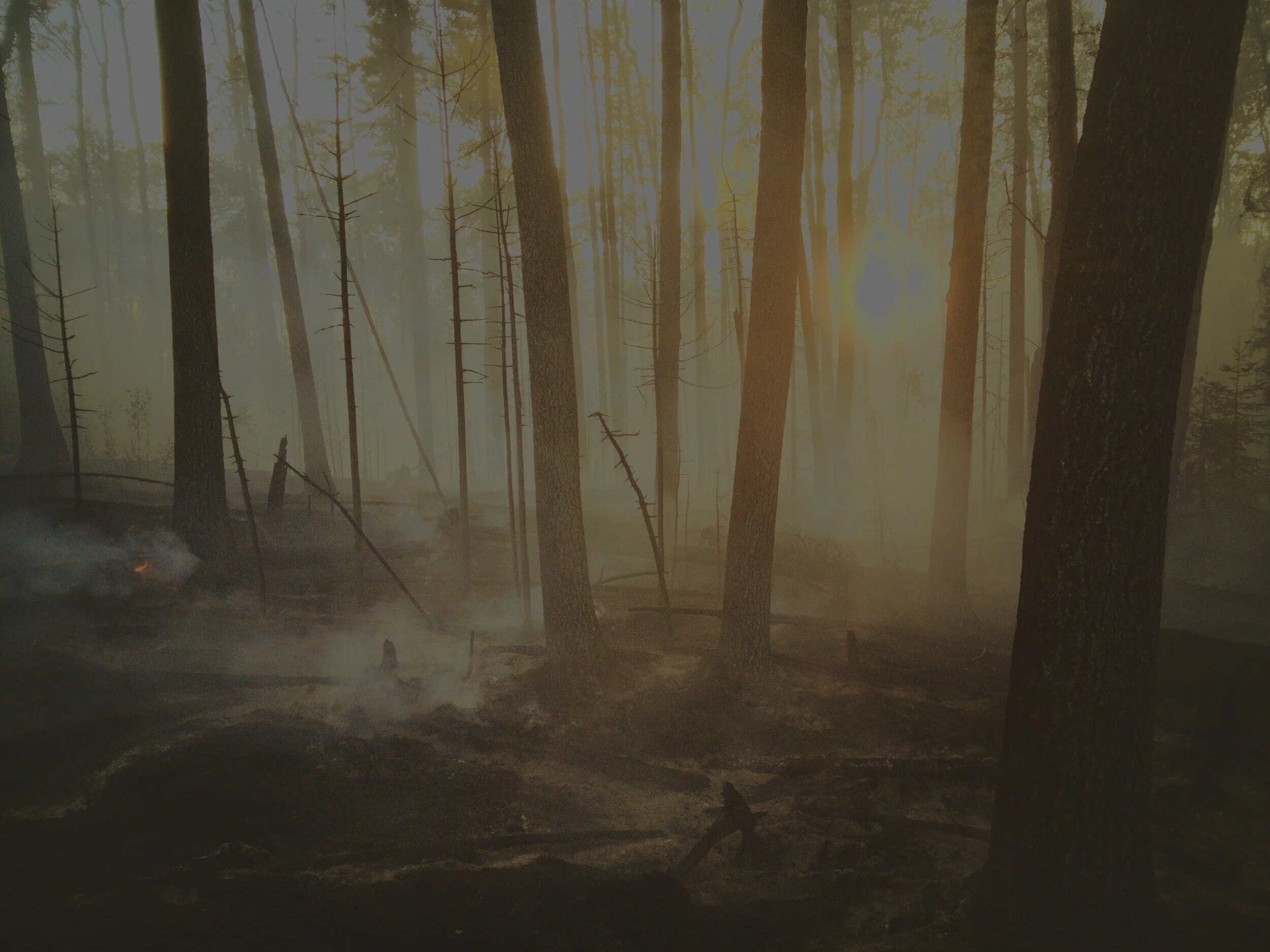
In 2020, the Wog Wog experiment burned at high intensity in a megafire.
The fires killed an enormous number of plants and animals and provide a rare but crucial opportunity to study how these forest species bounce back after severe disturbance.
Through the years
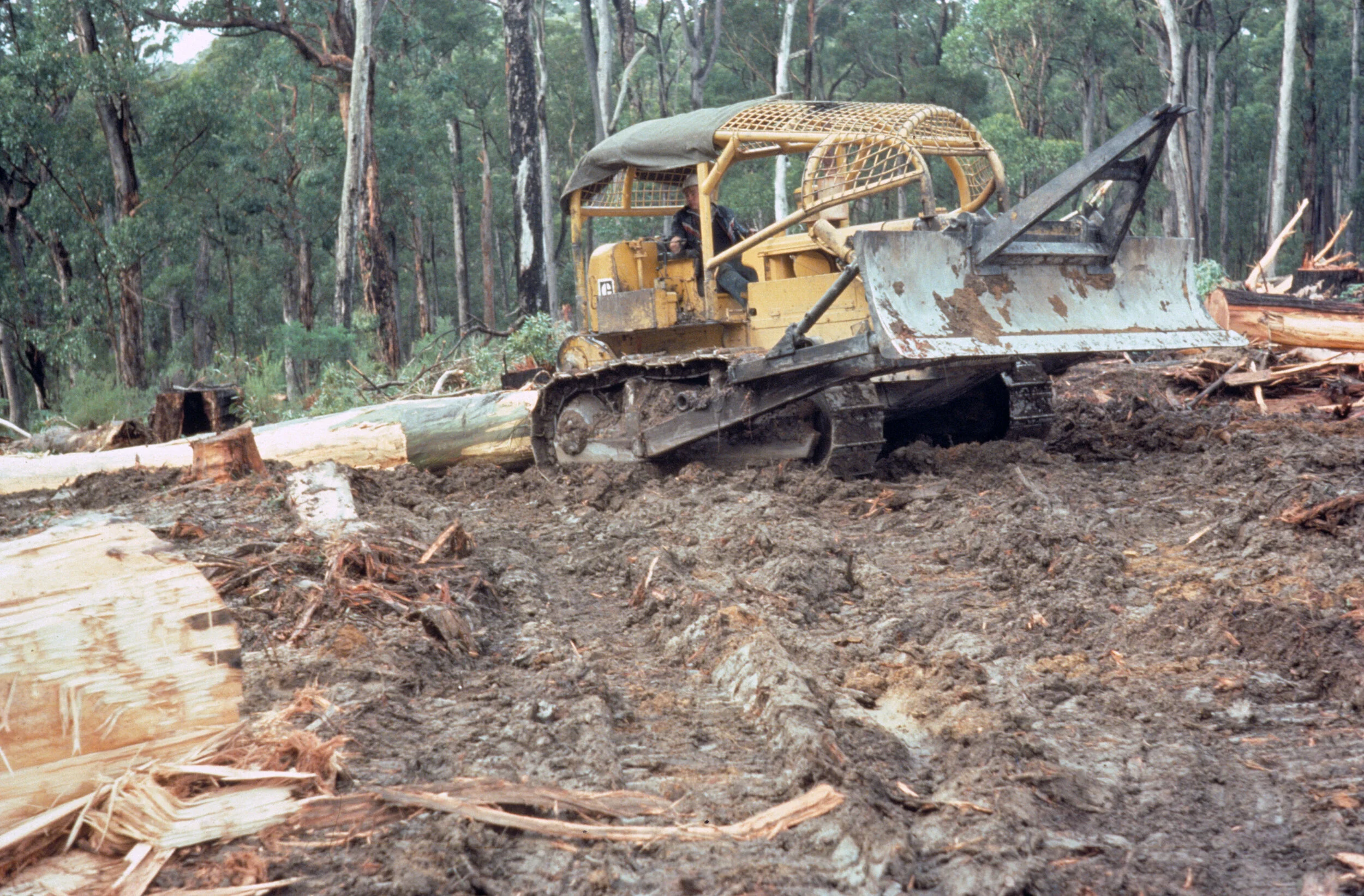
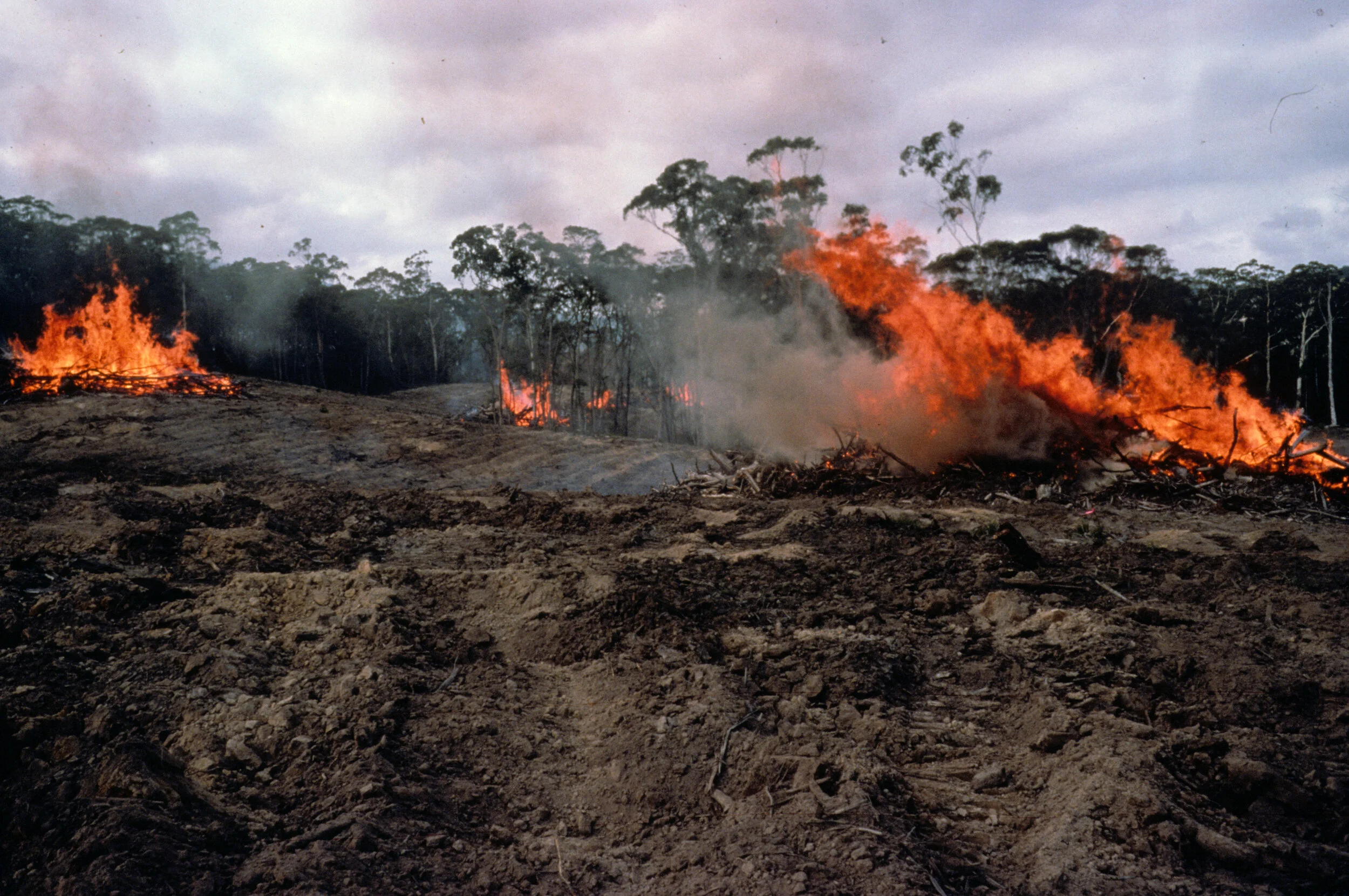
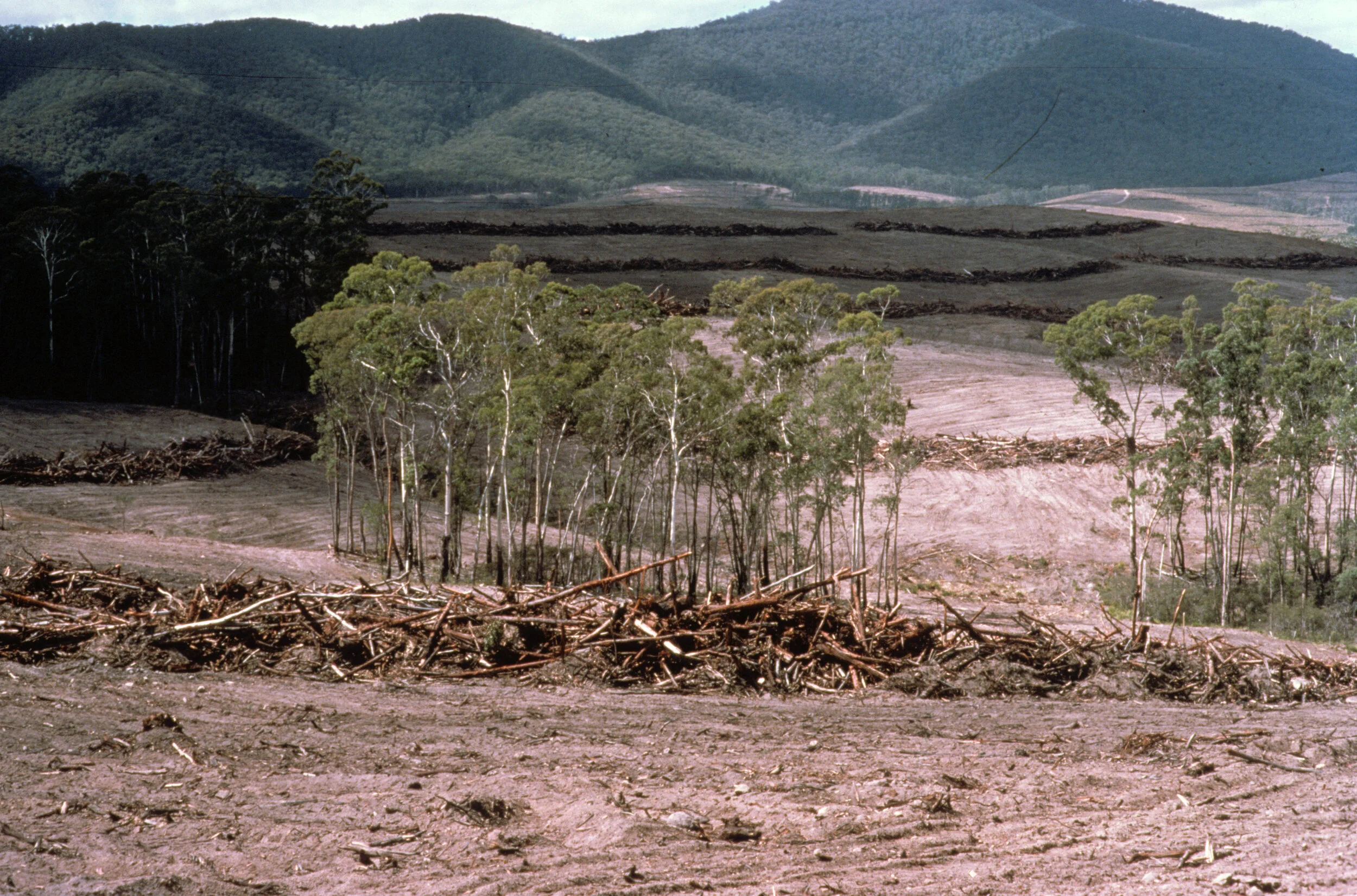
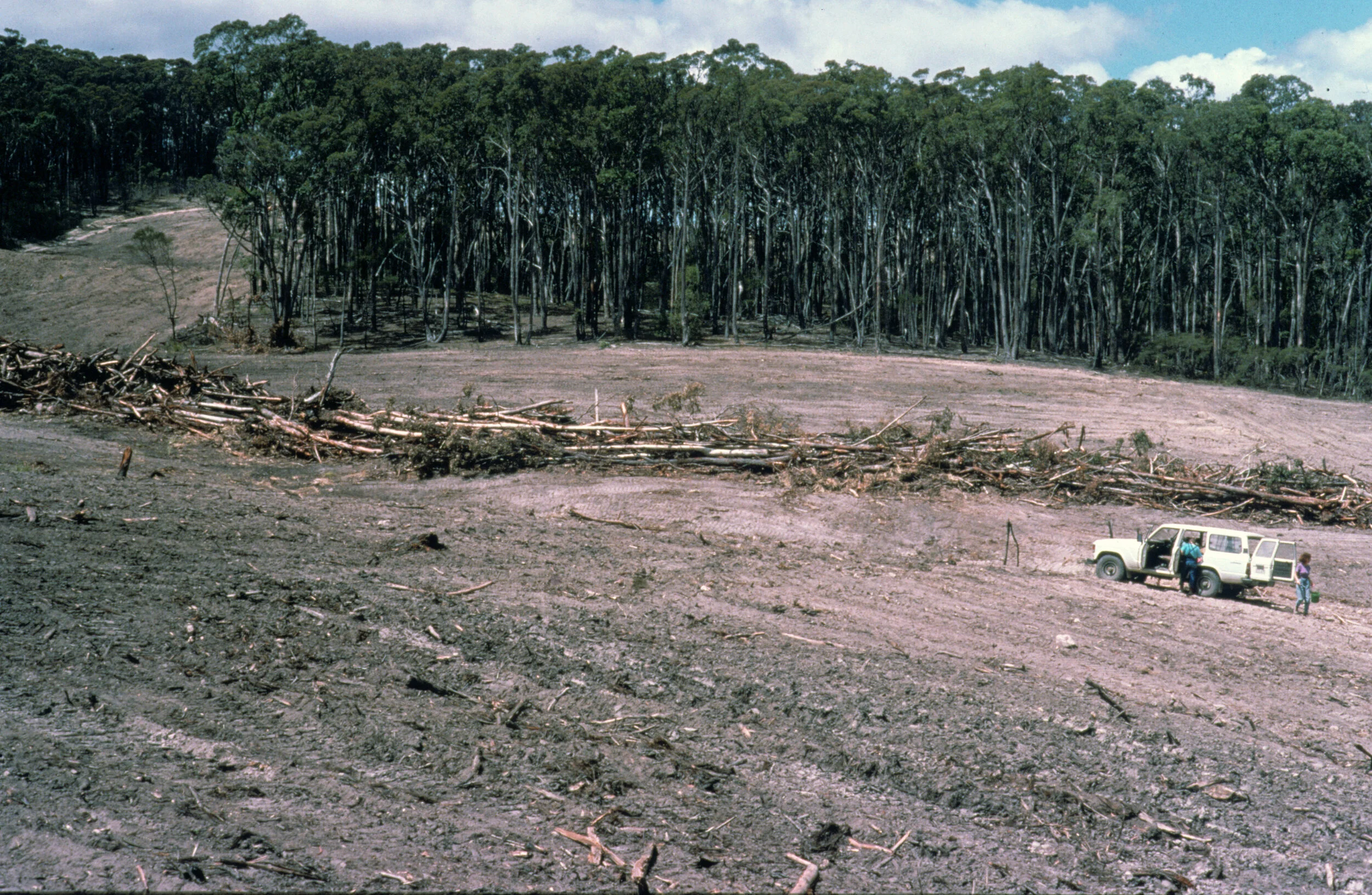
our current work focuses on the effects of recent megafires, including
01.
How does megafire change the population size of different beetle species?
02.
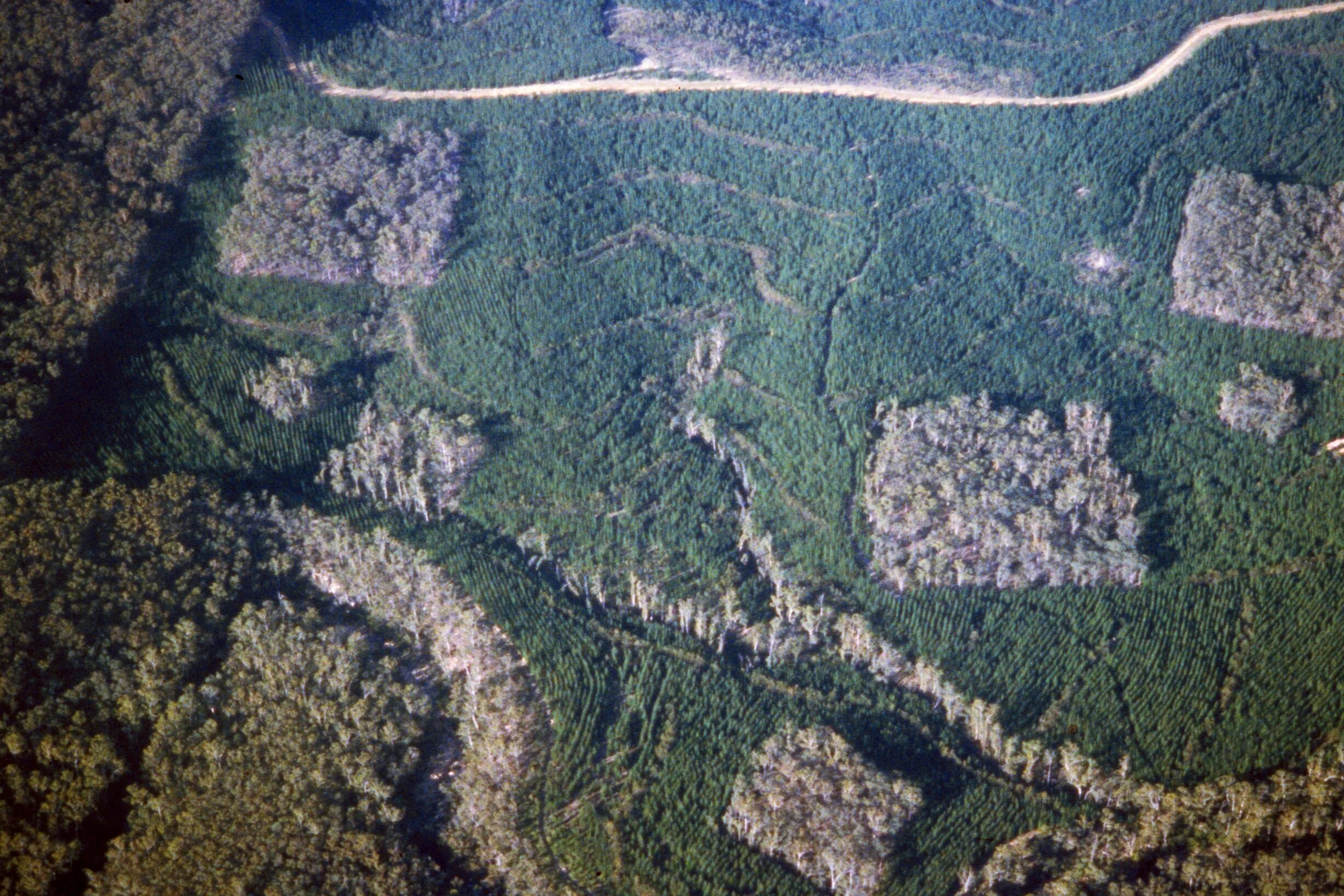
do traits predict which
species are most resilient to megafire?
03.
What ecological mechanisms cause resilience of species to megafire?
What we discovered before the fire
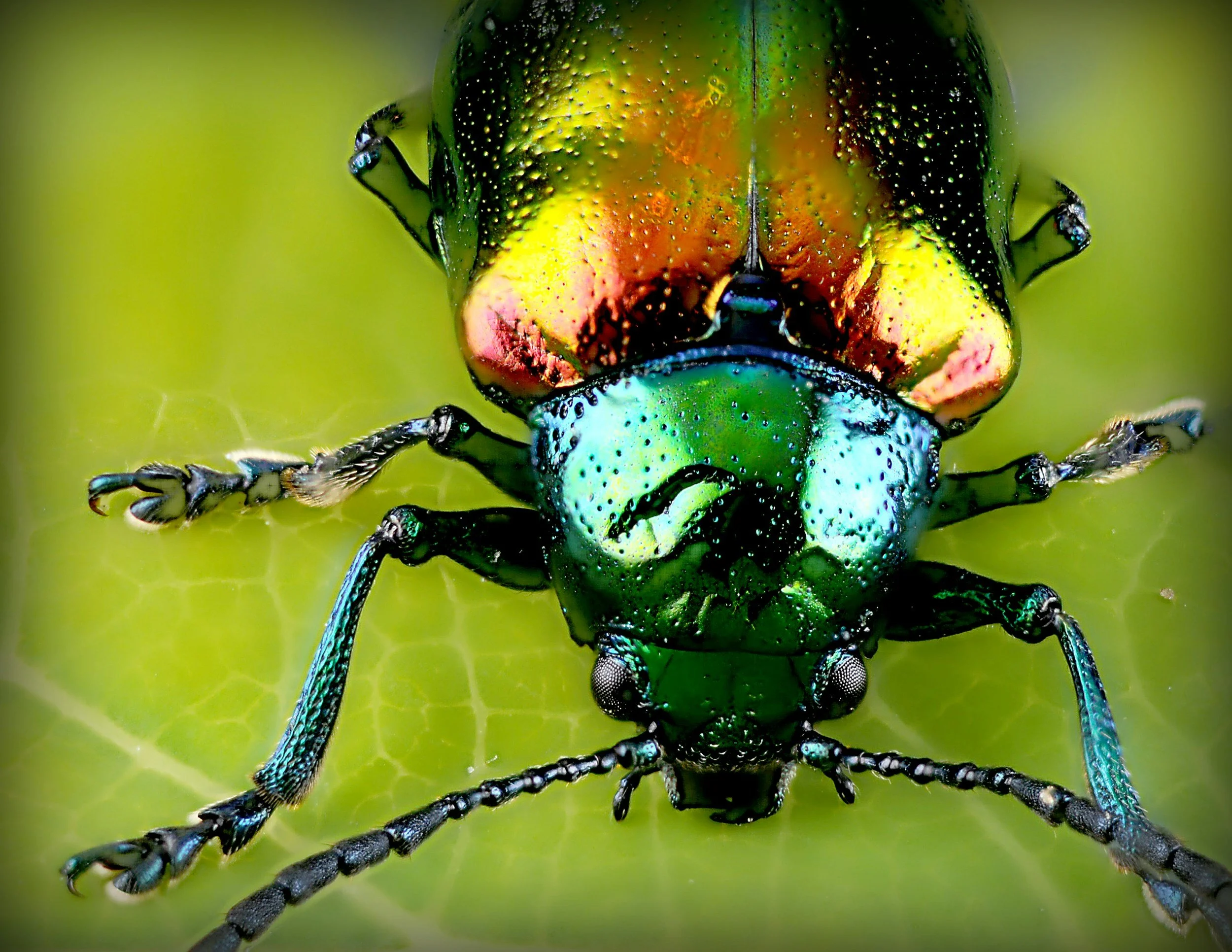
Before the fire, species’ short-term dynamics did not predict their long-term dynamics. Instead species’ traits predicted their long-term dynamics.
Overall, species’ dynamics in the first decade did not predict their dynamics in the third decade of the experiment, except for a core group of species with key life-history traits. These species are naturally rare, are predators (at the top of foodwebs), and are isolated on fragments.
The dynamic matrix predicts species' responses
The matrix is the “sea” of different habitat surrounding the forest fragments or “islands”. Over three decades, how a species responded to matrix habitat predicted its dynamics in fragments. We found that if a species did well in the matrix, it also did well in fragments. The matrix influences a species' persistence in forest islands by isolating a species (or not) and changing the abiotic conditions on the island, especially at edges. At Wog Wog, the matrix habitat is a pine tree crop, which is dynamic, so its impact on species changes over time as the pine crop grows from seedlings to mature trees.
Before the fire, in the long term, the beetle community was resilient, changing only somewhat in the relative abundances of species but overall maintaining the same number and types of species, and there was no evidence of food web breakdown
How beetle species composition changed over three decades.
There was no reduction in the number of species in the whole beetle community and carabid beetles in decade one and decade three.
There was no evidence of food web collapse or trophic downgrading from isotope studies of three generalist predators over three decades.
Why this work matters
Forest managers can use our results to help restore forests and other ecosystems to health after megafire
An outcome of our work is computational models to predict species’ resilience to megafire. These models can be used to make management plans.